Smarty Ideas

  • Aphids

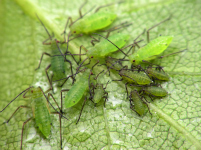
    HOW TO IDENTIFY THEM Aphids are tiny, soft insects with six legs.  They come in many colours including white, green, black and brown.  Although they do have wings, most of the time you can see them living in clusters on young shoots, buds and leaves.  Aphids attack a wide range of plants but especially rose buds and…
  • Repotting Plants

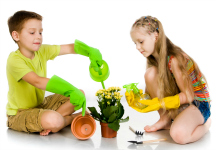
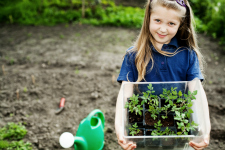
    Just like you keep growing and your shoes get too small for your feet, a plant’s pot gets too small for it as it grows.  When this happens, the roots take up so much room that there’s no space left for water and nutrients.  This is called being ‘pot bound’. Plants can also be repotted when they are brought home from a…

  • White Cedar Moth Caterpillar

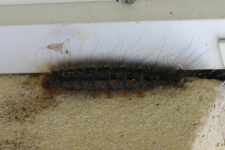
    HOW TO IDENTIFY THEM The caterpillar of the white cedar moth (Leptocneria reducta) is about 4cm long and very hairy.  They have a brown or black head and their body is mostly black with small brown or grey markings on them. They are often seen climbing the outside walls of the house, around the windows…

  • Powdery Mildew

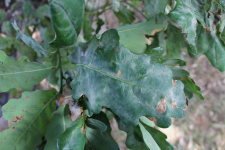
    Powdery mildew is one of the most widely spread plant diseases and it can affect many plants.  In the vegie garden, it might affect melons, squash, cucumbers and zucchini as well as strawberries but it also infects ornamental plants such as roses and begonias.  It is particularly bad on grape vines as well as trees…

  • SCIENCE – How much water do plants use?

    National Curriculum Area/s: Science Year Level(s): Year Four to Year Seven LEARNING OBJECTIVES Discover the reasons why plants require water Understand the processes of photosynthesis and transpiration Identify how much water certain plants require Recognise that plants require differing amounts watering depending on the situation they are growing in. Conduct a simple experiment Measure, record…

  • HEALTH – Eat a Rainbow

    Students learn that fruits and vegetables are all different colours because of chemicals that have health benefits.  They learn to identify fruits and vegetables then work in groups to categorise them into colours.  They then discuss the health benefits of each one. Suitable for Pre-primary to Years 2 & 3. (Includes modifications for other year…

  • Jobs – The Pest Team

    Maintaining the school garden is all about doing little jobs often!  It’s not that hard if everyone pitches in.   THE PEST TEAM No, this isn’t the team of pests!  The Pest Team keeps an eye on the vegetables to make sure that the pests aren’t eating them before the class gets the chance to….