
Smarty Plants - Plants for Kids
  • Facebook
  • Google+
  • RSS
  • Home
  • About
    • Hey Kids!
    • Hey Mums and Dads!
    • Hey Teachers!
    • The Legal Stuff
    • For the Media
  • Smarty Facts
  • The Garden
    • Garden Tools
    • Looking after the Garden
      • Waterwise Gardens
      • Fertilisers and Compost
      • Weed Control in the Garden
      • Looking after Potted Plants
    • Planting and Potting
    • Handy Garden Structures
    • Good Bugs
    • Bad Bugs
    • Plant Diseases
    • What is…?
  • The Kitchen
    • Breakfast
    • Lunch
    • Soups
    • Mains
    • Salads and Vegetables
    • Desserts
    • Cakes and Baking
    • Snacks
    • Cooking Skills
  • The Classroom
    • Teachers’ Q&A
    • Curriculum Plans
    • Lesson Plans
      • The Arts
      • English
      • Health and Physical Recreation
      • L.O.T.E.
      • Mathematics
      • Science
      • S.O.S.E.
      • Technology and Enterprise
    • School Gardens
      • Setting up the garden
      • Maintaining the Garden
      • Seasonal Information
  • Contact
  • BLOG
  • Home
  • Fact Sheets
  • Dwarf Stringless Beans

Dwarf Stringless Beans

Dwarf beans are really easy to grow so are great for those that have just started gardening.  They grow a mass of full size beans on short vines that climb up a trellis and don’t need a lot of space.

Climbing beans up a trellis keeps the beans off the ground but this can mean that they are more likely to be damaged by wind so keep that in mind when choosing a location to plant them.  Beans can be ready to harvest within eight weeks and will produce many more for a couple of months.

PLANTING

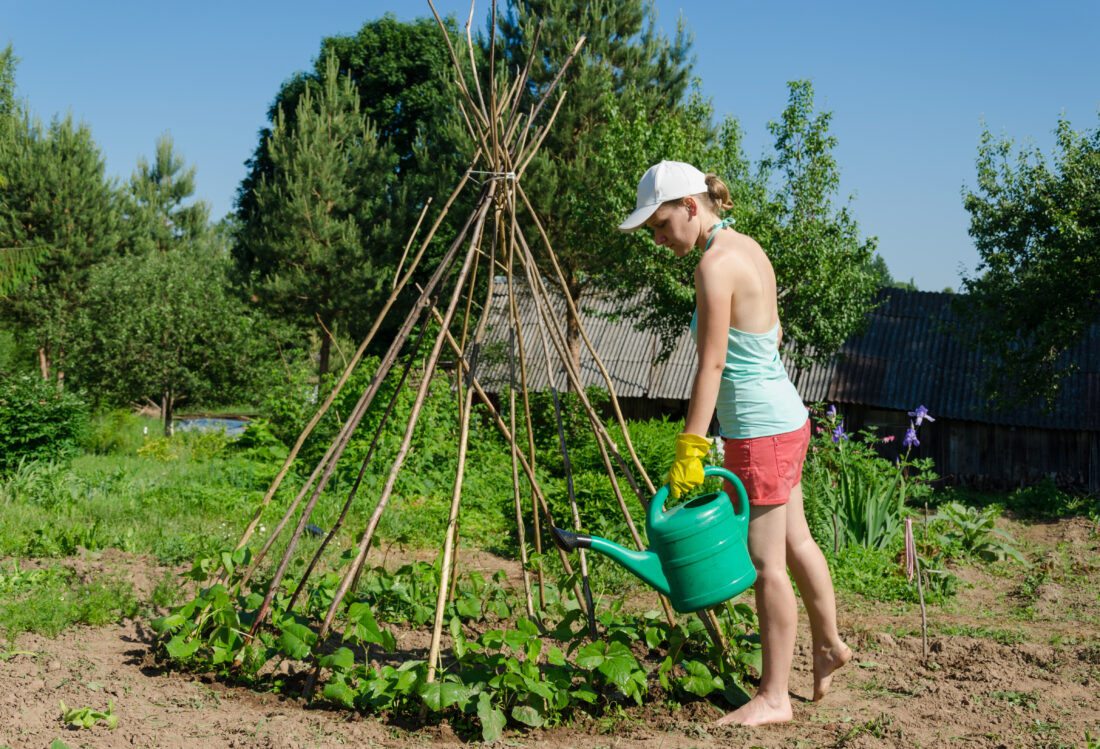
It’s best to build the trellis or climbing support first before preparing the soil because as you work, your feet will squash down the soil.

After the support is built, dig the soil over lightly, adding in some compost or organic matter.  If the soil is very sandy, add in even more compost as beans need rich, well drained soil.

Use a dibbler or large stick to make holes about 30cm apart close to the base of the trellis.  Gently place a seedling in each hole and push the soil around the rootball.  Water the seedlings and the soil.

CARE AND MAINTENANCE

As the vines grow they will sound out tendrils which work like fingers to hold onto the trellis or climbing frame but if the vine heads off in the wrong direction, carefully encourage it up the frame and if necessary, use pieces of stocking to tie it on.

More beans will grow if side dressings of nitrogen fertiliser or liquid fertiliser are applied just when the flowers begin to form.  Keep the soil moist and apply a layer of mulch.

HARVESTING

Harvest the beans when they are still young because this is when they are sweetest.  Simply pick the beans off with your fingers.  Once harvesting has started, many more beans will grow and they will need to be picked every three or four days.

HOW TO EAT

Beans are best if they are picked and eaten on the same day though they will keep in the fridge for a few days or can be blanched for one minute and then frozen.  They can also be eaten raw so some might not even make it into the kitchen.

To prepare stringless beans, simply wash and then ‘top and tail’ them which simply means to trim off each end.  The beans can be left whole or can be cut into smaller pieces before cooking them in the microwave or boiling them for just three minutes.  Try to serve them crunchy so that they still have great flavour.  Find great recipes in the Smarty Plants Kitchen.

HOW THEY GROW

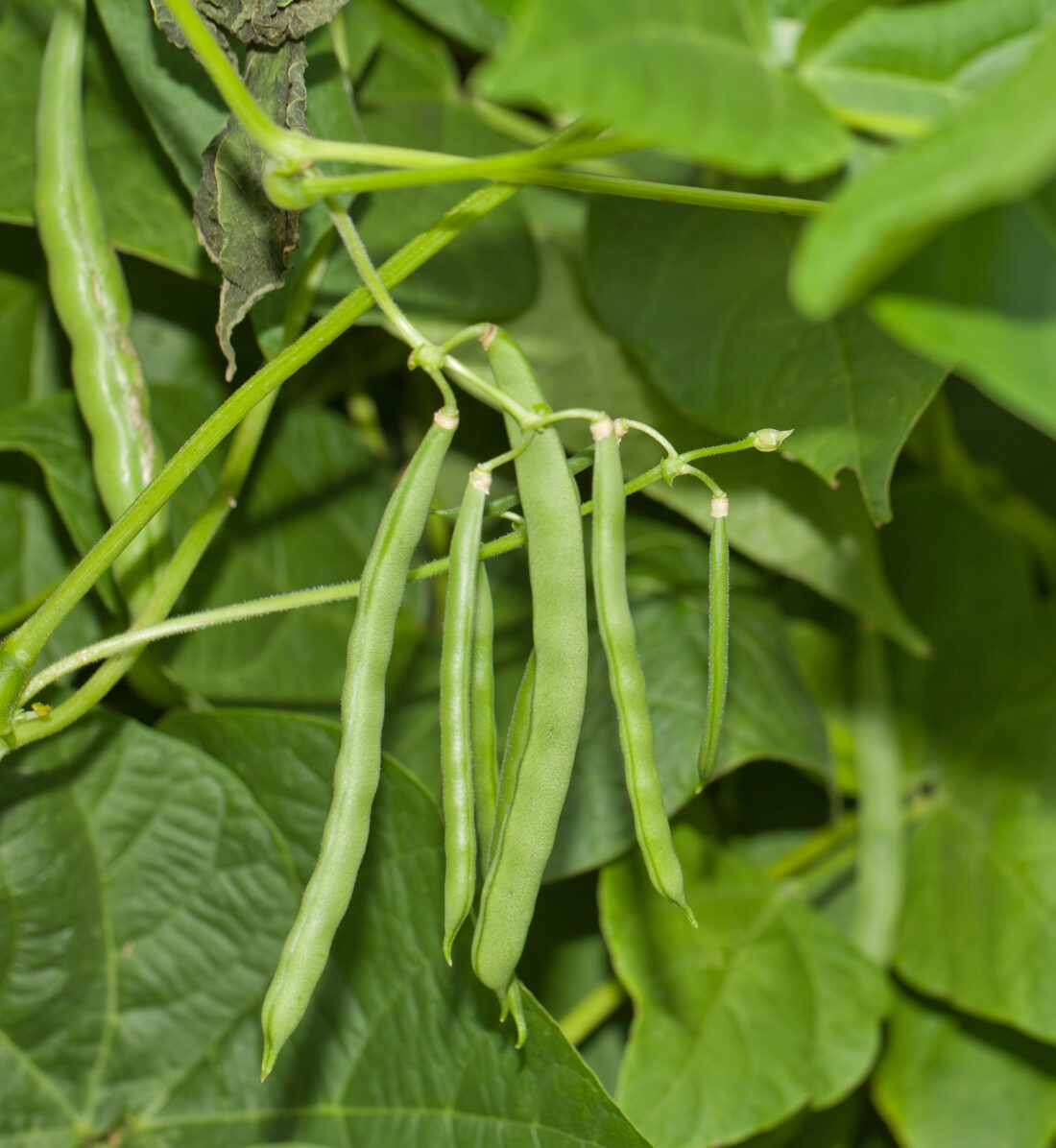
Bean vines wind their way up poles or climbing frames fairly quickly.  They then produce small white flowers which are pollinated by insects and then start to produce beans at their base.  The beans hang from thin stalks until they are large enough to harvest.
Bean vines climbing up poles.

Ready to harvest.


FAST FACTS

Botanical Name: Phaseolus vulgaris

Life Cycle: Annual

When to Grow: Late spring, summer and autumn.

Height/Width: 50cm x 50cm.

Requirements: Plant in full sun and build the vines a climbing frame.  Fertilise when the flowers are forming and water regularly.

Nutritional Benefits: Beans are a brilliant source of fibre as well as folate which helps with growth.  They are also rich in vitamin C.

Comments are closed.

Have a dig around!

Contact

  • info@smartyplants.com.au

The Blog!

  • Gardening’s not rocket science!

    Years ago, when our parents planted out their vegie patches, they turned over the soil, mixed some sheep manure through,...

    08 Dec,13
  • Have fun with your food!

    Just because I’m a grown up doesn’t mean that I can’t play with my food! The other day, I became...

    05 Dec,13
  • Little Halloween Pumpkin Heads

    Did you manage to grow some pumpkins for Halloween this year?  Don’t worry if you didn’t as they’re still available...

    28 Oct,13
  • Crazy Capsicums

    Capsicums are a confusing vegetable; not least because they are actually a fruit!  But also because they are related to...

    20 Oct,13
  • Take broccoli off the table!

    Since the beginning of time parents have been asking the age old question, ‘How do I get my kids to...

    06 Oct,13
  • Garden Gnomes are Back

    Yay! Garden Gnomes are back! Where have they been all these years?  I imagine that, having been discarded by gardeners...

    18 Sep,13
  • Planting a Bare-rooted Fruit Tree

    It’s winter! It’s time to plant an orchard!  You can do this at any time of the year but in...

    06 Jun,13
  • Warheads v. Radishes!

    Why will kids turn up their noses at radishes but they’ll eat Warhead candies?  Or they refuse to eat Brussels...

    03 May,13
  • Room to Move

    I get a bit peeved when I watch some gardening shows or read gardening books that tell people that they...

    26 Apr,13
  • Veg Out!

    Veg out!  Don’t you just love vegging out?  Sitting on the sofa doing absolutely nothing except watching a bit of...

    08 Feb,13
Find us on Google+ (c) 2012 Smarty Plants - Website by Loud Cow