
How to Grow
Flat-leaf Parsley
Flat-leaf parsley, also known as Italian parsley, is a very versatile herb and is probably the most popular. It’s used in almost any style of savoury cooking and is sometimes added to a plate just to make it look attractive.
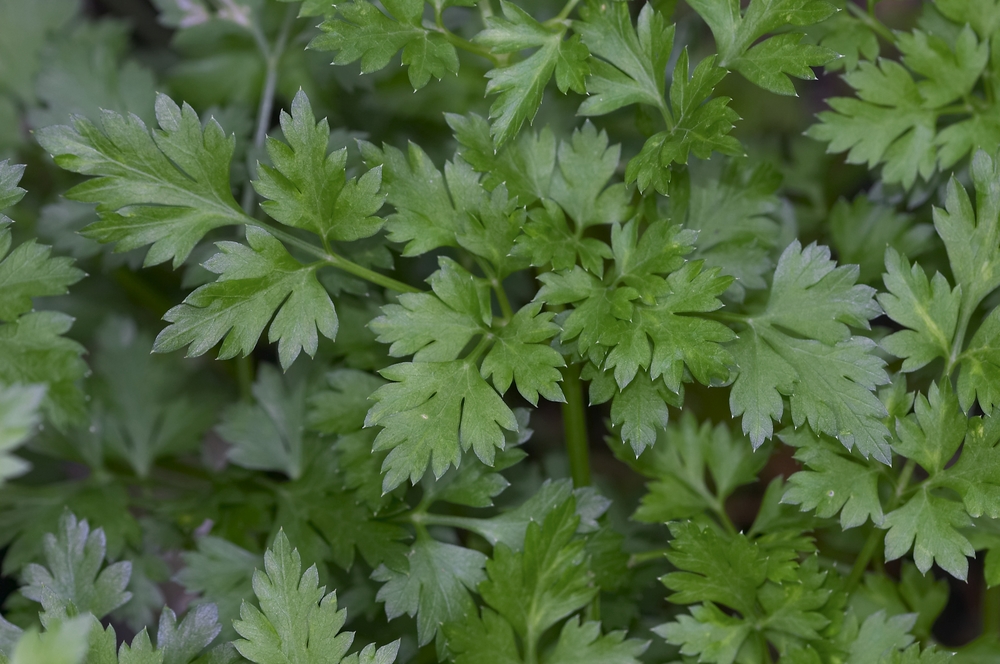
Whoever named flat-leaf parsley was definitely stating the obvious – it has flat leaves! It’s packed with flavour which is what makes it so popular. It’s curly cousin is very similar, much prettier, but doesn’t have the full flavour of flat-leaved parsley.
Parsley is a biennial meaning that it will grow for two years. In its second year, it will ‘bolt to seed’ which is when it sends up a flower head which releases seeds and the plant dies soon after. If the flower heads are shaken, the seed will spread throughout the garden and new seedlings might just pop up.
Botanical Name:
Petroselinum crispum
Life Cycle:
Biennial.
This means that it will grow for two seasons, then it will shoot up flowers and drop its seed ready to produce more plants.
When to Grow:
All year round.
Size:
Flat-leaf parsley gets quite tall, about 40cm in height. It also sends out lots of leaves so needs at least a 40cm by 40cm space.
Requirements:
Plant in full sun or part shade and keep the soil moist. Remember that the more parsley is harvested, the more it should be fed.
How to Plant
Parsley is a tricky plant to grow from seed unless it is very fresh so this is one plant that is better if grown from seedlings.
Choose a sunny position with at least six hours of sunlight and prepare the soil by digging through lots of compost or organic matter. Use a dibbler or large stick to make holes about 20cm apart. Carefully put a seedling in each hole and press the soil around the root ball. Water them and cover the soil with mulch.
Italian parsley grows really well in containers but they need to be at least 30cm deep because they produce quite a strong rootball. Fill the pot with premium potting mix and water the seedlings after they have been planted. Make sure that the container gets plenty of sunlight.
Some people try to grow Italian parsley in small pots on the window sill but this is not often successful as there’s just not enough room for them to grow. If possible, grow them outside in the fresh air.
Care and Maintenance
Italian parsley loves to be harvested but the more it is harvested, the more it should be fed with liquid fertiliser as this will give it the energy it needs to grow more leaves. Water the plants well so that they don’t dry out.
Sometimes the older leaves and stems turn yellow and these can just be picked off and thrown in the compost. But, an extra application of fertiliser will help this happening again.
Many gardeners say that they don’t have much luck with parsley but this is probably because they harvest far too many leaves off each plant so that it becomes exhausted. The solution is simply to plant more seedlings so that smaller amounts can be harvested off each one.
Harvesting
Italian parsley loves to be harvested so start using it as soon as it is large enough. Harvest the leaves by using your fingers to gently pull off the outer stems first as the new ones grow from the middle. Don’t just take the leaves from the top, take the stem from the base as well.
How they Grow
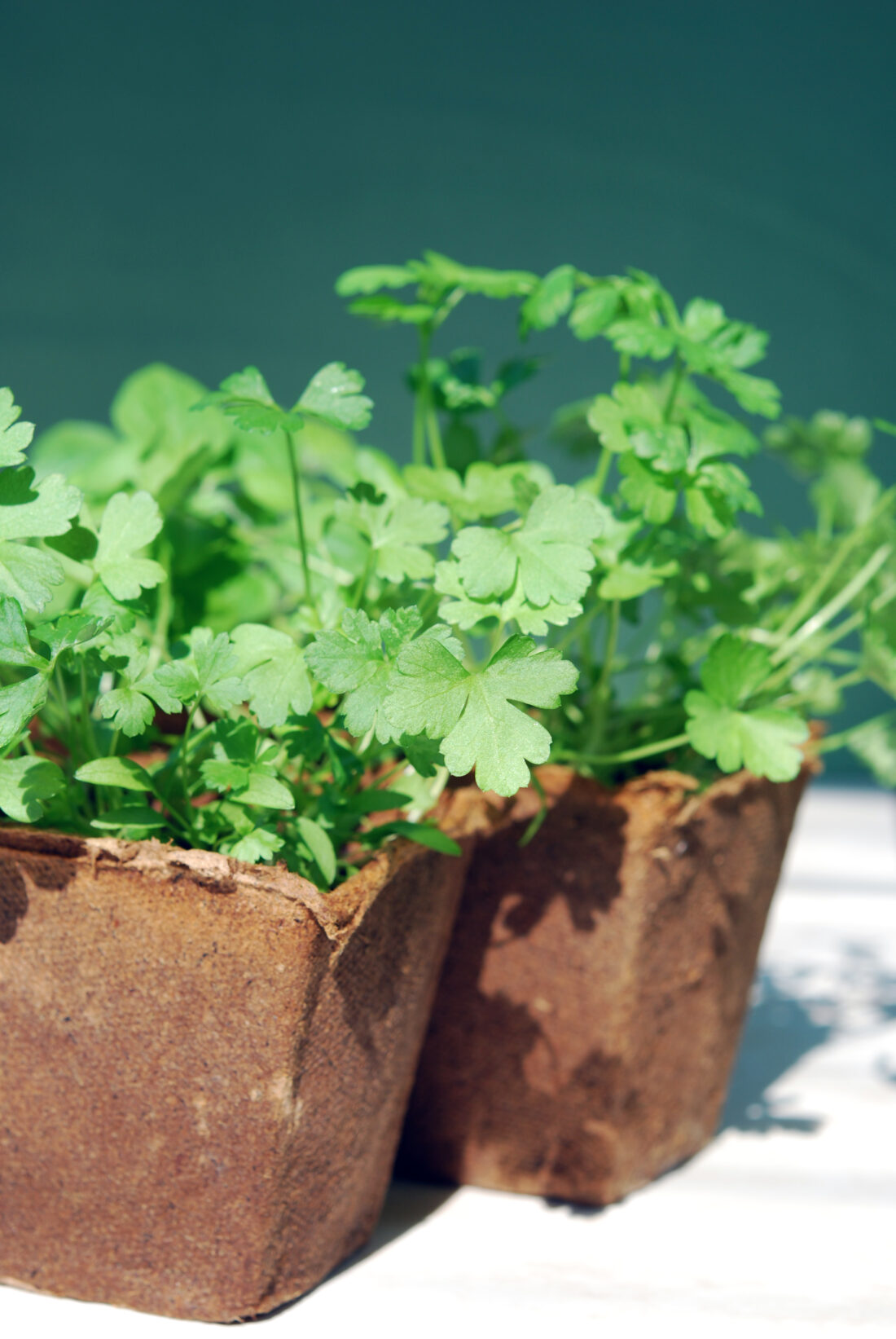
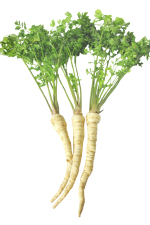
Italian parsley grows from seed into small seedlings which look just like a miniature version of mature parsley. The plant has very thin green stems with soft, green leaves on the end. A tap root grows under the ground which is also edible, and it has fine feeder roots that reach out to take up water and nutrients.
How to Eat
Italian parsley is known for its amazing flavour and can be chopped up very finely and included in omelettes and scrambled eggs or mixed with butter and served on warm vegetables. The larger leaves can be added to casseroles just before they are ready to serve and are also delicious if included in salads. The parsley root is also edible and is often used in stews and Asian dishes.
Parsley is a natural breath freshener so chewing on a sprig of parsley after eating garlic is a great idea. Check out our recipes in the Smarty Plants Kitchen.
HOW THEY GROW
Italian parsley grows from seed into small seedlings which look just like a miniature version of mature parsley. The plant has very thin green stems with soft, green leaves on the end. A tap root grows under the ground with fine feeder roots that reach out to take up water and nutrients.