
How to Grow
Mini Pumpkins
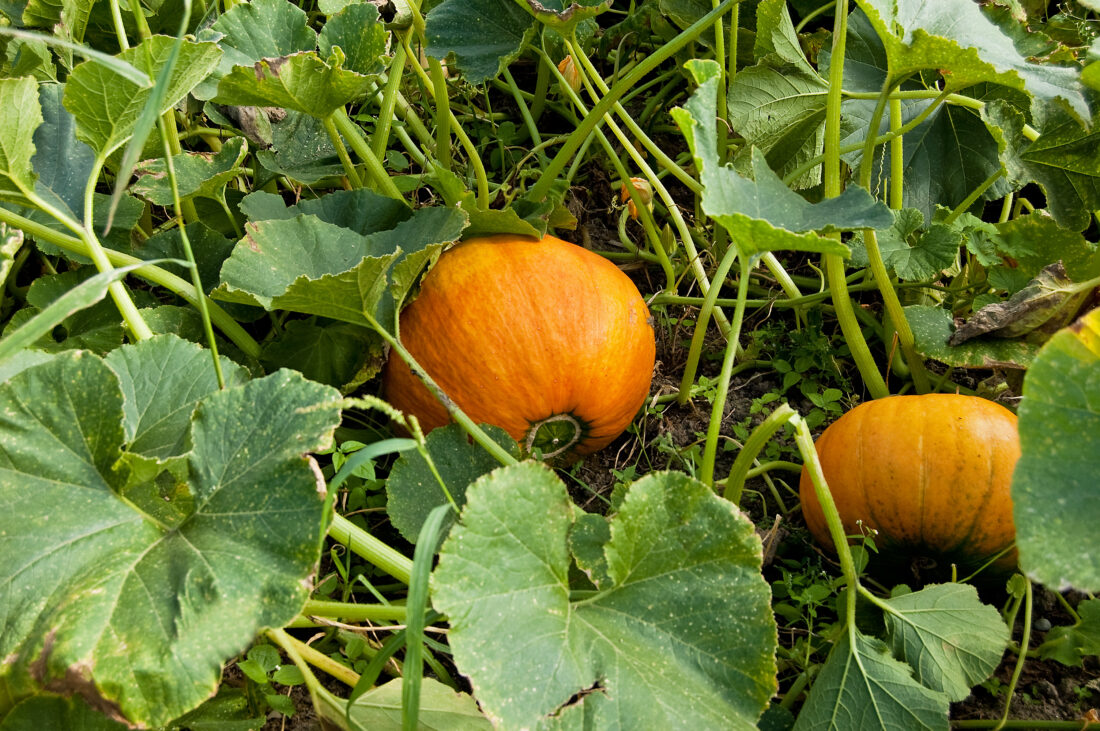
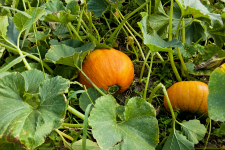
Pumpkins are probably the most versatile of all vegetables because it can be used in savoury and sweet dishes. It’s a lot of fun to grow as the vines creep along the ground and the bright orange pumpkins start to appear from under the massive leaves.
Although some varieties of pumpkin can grow to be bigger than your head, mini pumpkins are quite tiny and end up about the size of a tennis ball. They are still lots of fun to decorate but also taste very sweet making them delicious to eat.
Botanical Name:
Cucurbita pepo
Life Cycle:
Annual.
They will only grow for one season producing lots of pumpkins in that time.
When to Grow:
Spring to autumn in most areas. Very cold areas should grow them in summer and tropical areas should grow pumpkins in late autumn and winter.
Size:
The vine will spread to 60cm wide and grow 40cm high. The mini-pumpkins are only about 8cm across.
Requirements:
Plant in full sun and water every day unless it rains. Apply extra fertiliser when planting the seedlings and again when the vine is flowering.
How to Plant
Mini pumpkin vines don’t take up as much space as the larger ones but each one still needs an area that is about 60cm x 60cm. This could even be in the back corner of the garden, providing there is direct sunlight. If space is an issue, a trellis or frame can be built which the vine will climb.
Before planting, dig lots of compost through the soil and pile it up into mounds that are about 60cm wide by 20cm high. Water the mounds lightly and then plant one seedling into the middle of each mound and water them again. These mounds make sure that the roots of the plant are in rich soil that is well drained and, as the seedlings grow, the vines trail down the side of each one.
Mini pumpkins can be grown in large containers such as a barrel because the vines don’t get too big though they will still spill over the sides and onto the ground so make sure there is plenty of room around the container. Choose a spot that gets at least 6 hours of direct sunlight and fill the container with premium potting mix. Depending on the size of the container, plant one or two seedlings in each one; a large barrel could have two growing in it. Once the seedlings are planted, water the soil lightly.
Care and Maintenance
Water the plants every day unless there has been a good amount of rain and apply a granular fertiliser around the vines when they start flowering, this will encourage more pumpkins to grow.
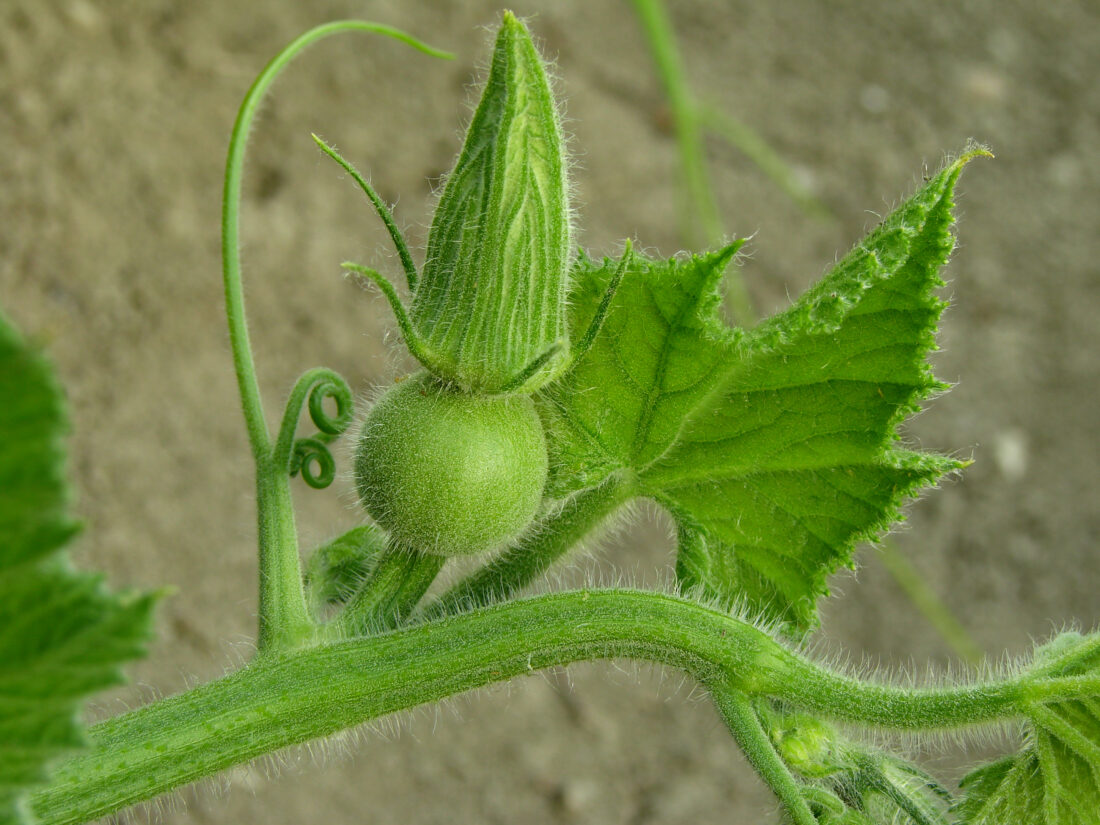
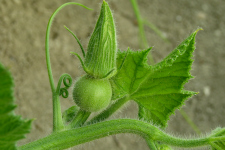
Sometimes, no matter how well the plant is looked after, pumpkins don’t seem to grow and this is probably because there are no bees in the garden to fertilise the flowers. Pumpkins produce both female and male flowers. You can tell the difference because a female flower has a tiny ‘pumpkin’ at the base just waiting to be fertilised by any bees that travel from flower to flower. If this is the case in your garden, the solution is to take the place of the bee by using a little paintbrush to collect some pollen from the middle of the male flower and gently dust it onto the blossom in the middle of the female flower. Soon, little baby pumpkins should be popping up all over the place.
Harvesting
The pumpkins are ready when the vine dies down and the part of the stalk that attaches to the pumpkin has shrivelled up. Use secateurs to cut the stalk so that about three centimetres is still attached to the fruit as this will keep the top of the pumpkin sealed so that it lasts for longer. If the stalk does break off leaving a hole in the top of the pumpkin, either eat in in the next few days or ask mum and dad to melt some candle wax to seal over the hole as this will stop moisture from getting in.
Pumpkins can be eaten straight away but fortunately they don’t have to be. In fact, they will last for many months if stored in a cool, dry place such as in a pantry or even a cardboard box in the garage. That way, your family don’t have to eat all those pumpkins straight away. Just check on the pumpkins every week or so to make sure that there is no sign of damage or rotting.
How they Grow
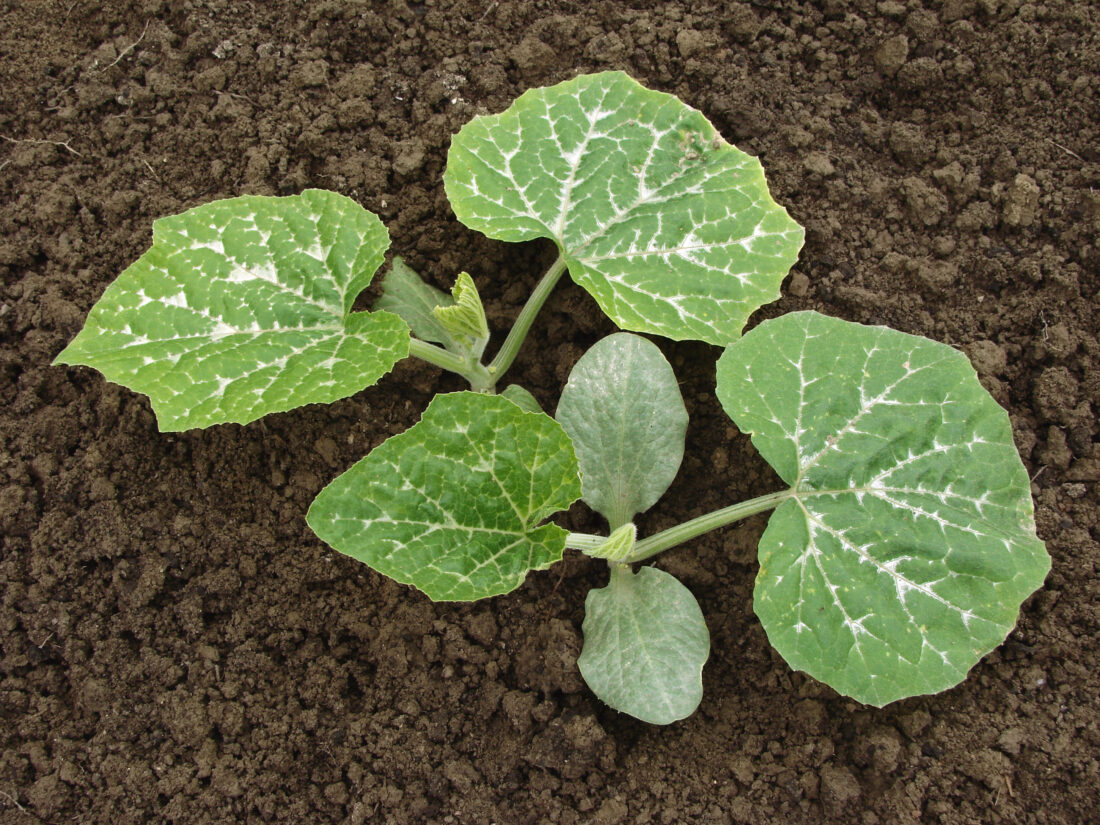
Mini pumpkins grow on a vine that creeps along the ground or climbs a trellis if one is available. Yellow flowers form on the vine and when they are pollinated, the little pumpkins begin to form at their base. Eventually, when the pumpkin is about the size of a tennis ball, the flowers drop off.
How to Eat
Pumpkins can be boiled, microwaved, steamed, mashed and baked. In fact, no roast lamb is complete without roast pumpkin. The trickiest part with preparing pumpkin for eating is peeling and cutting it up because it can be hard to get a knife in so it is best to ask mum or dad for help with this. Fortunately, mini pumpkins aren’t too hard and once they are cut opened, the seeds are scooped out with a spoon and they are ready to cook.
Pumpkin scones and pumpkin fruit cake are Australian favourites that everyone has to try at least once. They don’t really taste like pumpkin but are very moist and absolutely delicious. In the USA, pumpkin pie is a home baked treat that is eaten all the way through their Thanksgiving and Halloween.
After cutting up a pumpkin, save the seeds from the centre and dry them on some newspaper. Next year they can be planted and more vines should pop up in the backyard. These seeds can also be coated with a little bit of vegetable oil and roasted on a tray in the oven for 30 minutes at 180°C. Store them in a jar and enjoy them as delicious, healthy treats.
Find some great recipes for pumpkins in the Smarty Plants Kitchen.
HOW THEY GROW
Mini pumpkins grow on a vine that creeps along the ground or climbs a trellis if one is available. Yellow flowers form on the vine and when they are pollinated, the little pumpkins begin to form at their base. Eventually, when the pumpkin is about the size of a tennis ball, the flowers drop off.
FAST FACTS
Botanical Name: Cucurbita pepo
Life Cycle: Annual
When to Grow: Spring to autumn in most areas. Very cold areas should grow them in summer and tropical areas should grow pumpkins in late autumn and winter.
Height/Width: The vine will spread to 60cm wide and grow 40cm high.
Requirements: Plant in full sun and water every day unless it rains. Apply extra fertiliser when planting the seedlings and again when the vine is flowering.
Nutritional Benefits: The deep orange flesh of pumpkin is high in beta carotene which the body converts to vitamin A which is an antioxidant that helps prevent some diseases. Also very high in vitamin C.